

5mm tempered glass price
Mức Nước Dính Điểm Quan Trọng Trong Ngành Xây Dựng và Nội Thất Mức nước dính, hay còn gọi là mức spirit, là một công cụ đo lường không thể thiếu trong nhiều lĩnh vực, đặc biệt là xây dựng và thiết kế nội thất. Với chức năng chính là xác định mức độ thẳng đứng hoặc ngang của các bề mặt, mức nước dính giúp người dùng đạt được độ chính xác cao trong các công việc lắp đặt và thi công. . Mức nước dính không chỉ được sử dụng trong xây dựng nhà cửa mà còn trong việc lắp đặt đồ nội thất, như bàn, kệ, và các thiết bị gia đình. Việc sử dụng công cụ này giúp đảm bảo rằng mọi thứ đều được đặt đúng vị trí, tránh tình trạng nghiêng lệch có thể gây ra những bất tiện trong sinh hoạt hàng ngày. Bên cạnh đó, mức nước dính cũng đóng vai trò quan trọng trong nghệ thuật trang trí, giúp người nghệ sĩ thiết kế ra các tác phẩm có tính thẩm mỹ cao. adhesive spirit level Sự phát triển không ngừng của ngành xây dựng và nội thất cũng đòi hỏi các công cụ đo lường phải ngày càng chính xác hơn. Vì vậy, việc lựa chọn một chiếc mức nước dính chất lượng, phù hợp với nhu cầu là rất quan trọng. Trên thị trường hiện nay có rất nhiều loại mức nước dính với mức giá và chất lượng khác nhau. Người tiêu dùng nên tìm hiểu kỹ lưỡng trước khi quyết định mua, để đảm bảo có được sản phẩm tốt nhất. Để tối ưu hóa tiến trình xây dựng và lắp đặt, việc sử dụng mức nước dính kết hợp với các công cụ khác như thước kẻ, máy đo laser là rất cần thiết. Những công cụ này không chỉ giúp tiết kiệm thời gian mà còn giảm thiểu sai sót trong quá trình thi công. Tóm lại, mức nước dính là một công cụ hữu ích và cần thiết trong các lĩnh vực xây dựng và thiết kế nội thất. Sự chính xác mà nó mang lại không chỉ giúp cải thiện chất lượng công việc mà còn tăng cường tính thẩm mỹ cho các công trình. Với sự phát triển của công nghệ, mức nước dính sẽ tiếp tục có những cải tiến mới, phục vụ tốt hơn cho nhu cầu của người dùng.
about
5mm tempered glass price
Understanding Level Suppliers in Supply Chain Management In today’s globalized economy, the concept of suppliers plays a crucial role in the success and efficiency of any business. Among the various categories of suppliers, level suppliers are particularly significant, as they represent different tiers in the supply chain. Understanding level suppliers, their roles, and how they impact businesses is essential for anyone involved in supply chain management. What are Level Suppliers? Level suppliers are categorized based on their proximity to the manufacturer or end-user in the supply chain. They are often classified into three levels 1. First-Tier Suppliers These are direct suppliers who provide materials or components to manufacturers. For instance, if a car manufacturer sources tires directly from a tire manufacturer, the tire supplier is considered a first-tier supplier. 2. Second-Tier Suppliers These suppliers provide products or materials to first-tier suppliers. Using the car manufacturing example, if the tire manufacturer sources rubber from a rubber processor, that rubber processor is a second-tier supplier. 3. Third-Tier Suppliers Often further removed from the end manufacturer, these suppliers provide raw materials or components to second-tier suppliers. In our example, if the rubber processor sources natural rubber from plantations, then those plantations constitute third-tier suppliers. This tiered system helps businesses manage their relationships with suppliers more effectively, allowing them to understand the complexities of their supply chains and the interconnections between different supplier levels. Importance of Level Suppliers 1. Cost Management By identifying and managing levels of suppliers, businesses can better control costs. First-tier suppliers may charge more for their goods, but they often provide higher quality or more specialized products. By examining the entire supply chain, companies can find ways to reduce costs without sacrificing quality. level supplier 2. Quality Assurance The level of a supplier often directly impacts the quality of the finished product. Manufacturers must ensure that not only first-tier suppliers meet quality standards but also that second- and third-tier suppliers do as well. This can be achieved through supplier audits and assessments, ensuring that quality is maintained throughout the supply chain. 3. Risk Management Understanding supplier levels aids in risk management. Disruptions can occur at any level of the supply chain, so being aware of the entire network of suppliers helps businesses prepare for potential issues. For example, if a natural disaster impacts third-tier suppliers, it may affect first-tier suppliers, and consequently, the manufacturer. Being aware of these levels allows companies to diversify their supplier base, reducing dependency on single suppliers and mitigating risk. 4. Improving Collaboration Effective collaboration with suppliers at all levels can lead to innovation and improved processes. By fostering strong relationships with first, second, and third-tier suppliers, companies can encourage new ideas and solutions, leading to enhanced products and services. 5. Sustainability As sustainability becomes increasingly important in today’s market, companies must consider the practices of their suppliers at all levels. Understanding where materials come from allows firms to ensure they are sourcing sustainably, thereby improving their overall environmental impact. Challenges in Managing Level Suppliers While the benefits of managing level suppliers are numerous, challenges do exist. Communication can become complex as the number of supplier tiers increases, and ensuring compliance with standards at all levels can be difficult. Additionally, businesses often struggle with transparency in their supply chains, making it hard to track the origins of materials and the practices of all suppliers involved. Moreover, geopolitical issues, trade policies, and fluctuating market conditions can further complicate supplier relationships. Adopting technologies such as blockchain can help improve transparency and traceability in the supply chain, but these innovations also require investment and training. Conclusion In conclusion, understanding level suppliers is vital for creating an efficient and resilient supply chain. By categorizing suppliers, businesses can better manage costs, quality, risks, and sustainability practices. While challenges exist, the benefits of effectively managing level suppliers far outweigh the potential drawbacks. As the business landscape continues to evolve, organizations that prioritize and streamline their relationships with suppliers at all levels will be better positioned to thrive in an increasingly competitive environment.
-

High quality industrial productsagement

High quality industrial products
View Details -

Meet the diverse needs of customers

Meet the diverse needs of customers
View Details -

Strict quality control

Strict quality control
View Details -

Top raw materials

Top raw materials
View Details -

Trusted supplier

Trusted supplier
View Details
Our application

news and information
Ustawiony wskaźnik
Zestaw wskaźników pinowych – niezastąpione narzędzie w precyzyjnym pomiarze W dzisiejszym świecie, g
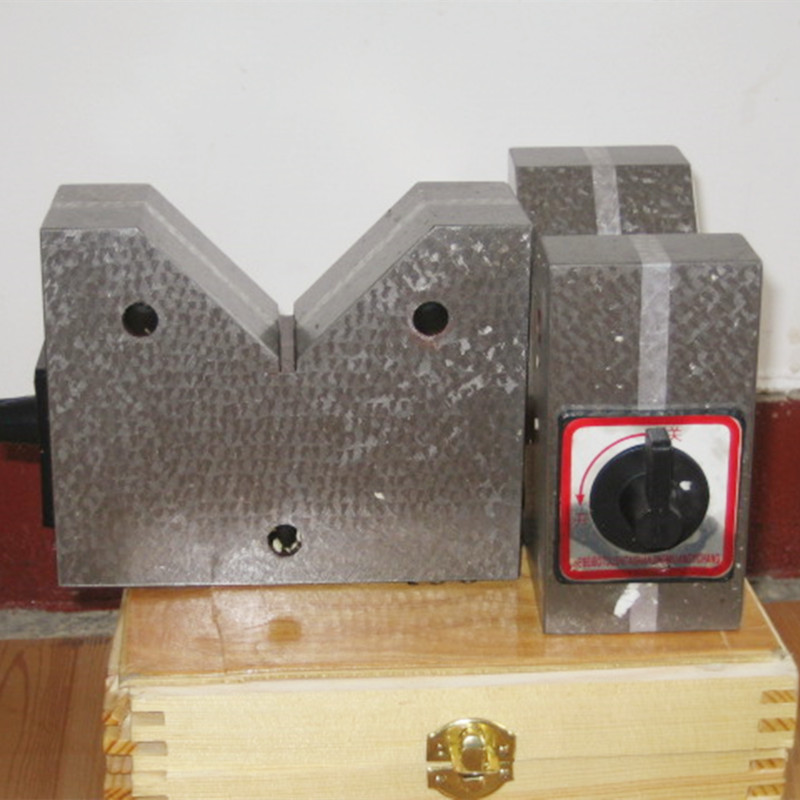
Y Strainer Buhar Tuzağı Performansı ve Kullanım Alanları Hakkında Bilgi
Y Strainer ve Buhar Tuzakları Verimli Endüstriyel İşlemler için Kritik Bileşenler Endüstriyel tesisl
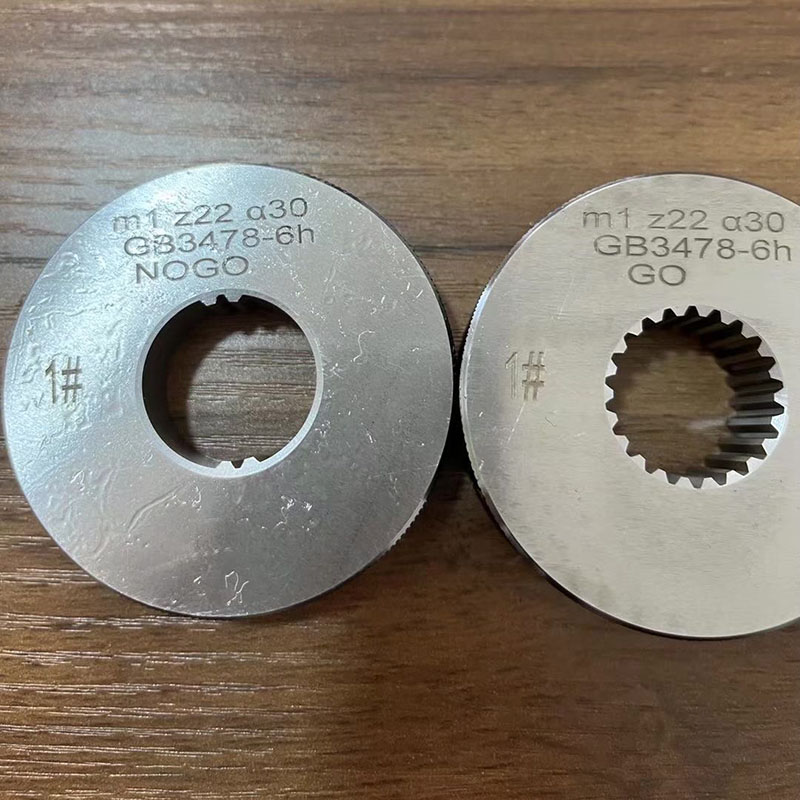
Y Type Water Strainer for Efficient Filtration and Flow Management Solutions
Understanding Y-Type Water Strainers A Key Component for Fluid Management Water strainers are critic
 English